Aircraft wing above a dense cloud layer during instrument conditions

Instrument rating

Instrument rating: Your passport into the clouds.

An instrument rating authorizes flight in instrument meteorological conditions and within the IFR system. It is the single largest increase in operational capability available to a certificated pilot, and it begins with the FAA Instrument Rating knowledge exam. Coming soon: Request test endorsement directly in your account.

// A STRUCTURED WAY TO STUDY

Three phases to piercing the clouds.

IN INSTRUMENTS WE TRUST.

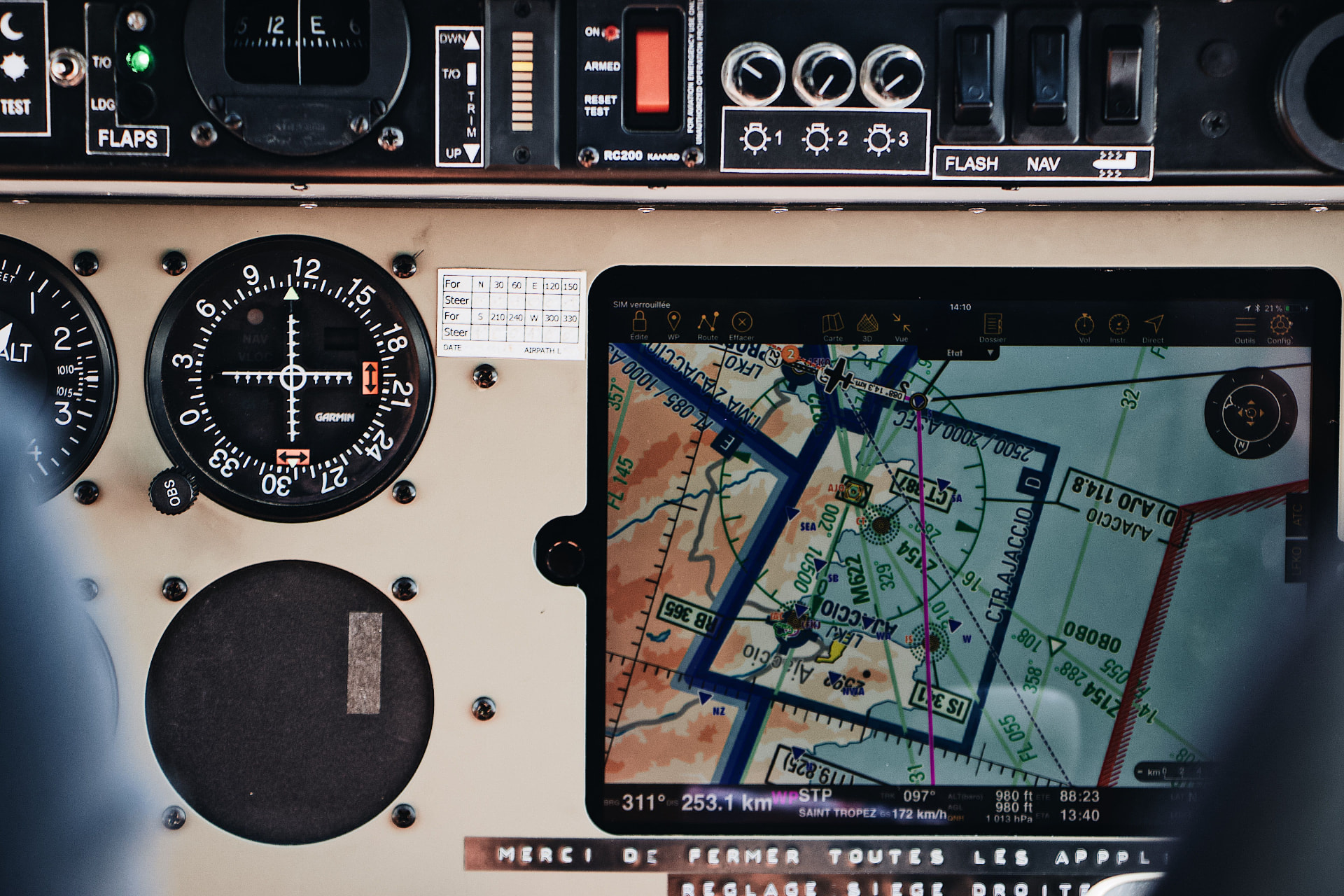
Close view of traditional aircraft flight instruments01 · KNOWLEDGE

Smart Study System

Work through the IFR system, en route and terminal procedures, holding, alternate requirements, weather theory, and instrumentation. Smart study prep allows you to track your performance, identify weak subjects, and drill them before moving on to the practice exams.

EXPLANATIONS · SUBJECT ANALYTICS

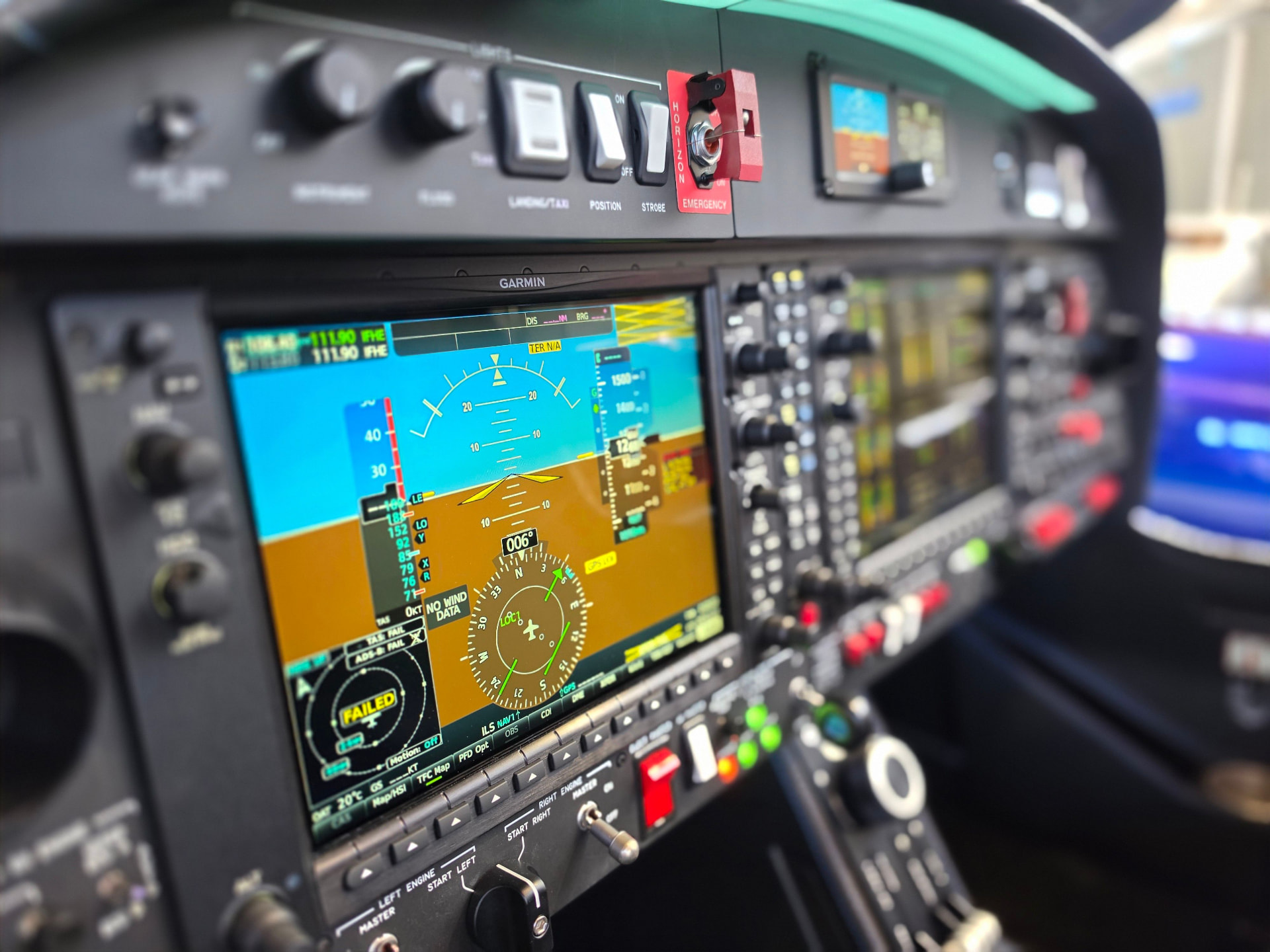
Aircraft navigation display showing an instrument flight chart02 · PRACTISE

Mock Exams & Endorsement

Take unlimited FAA practice exams. After scoring 80% or higher twice consecutively, submit your details for review and request the endorsement to take the official FAA knowledge test.

MOCK EXAMS · TEST ENDORSEMENT

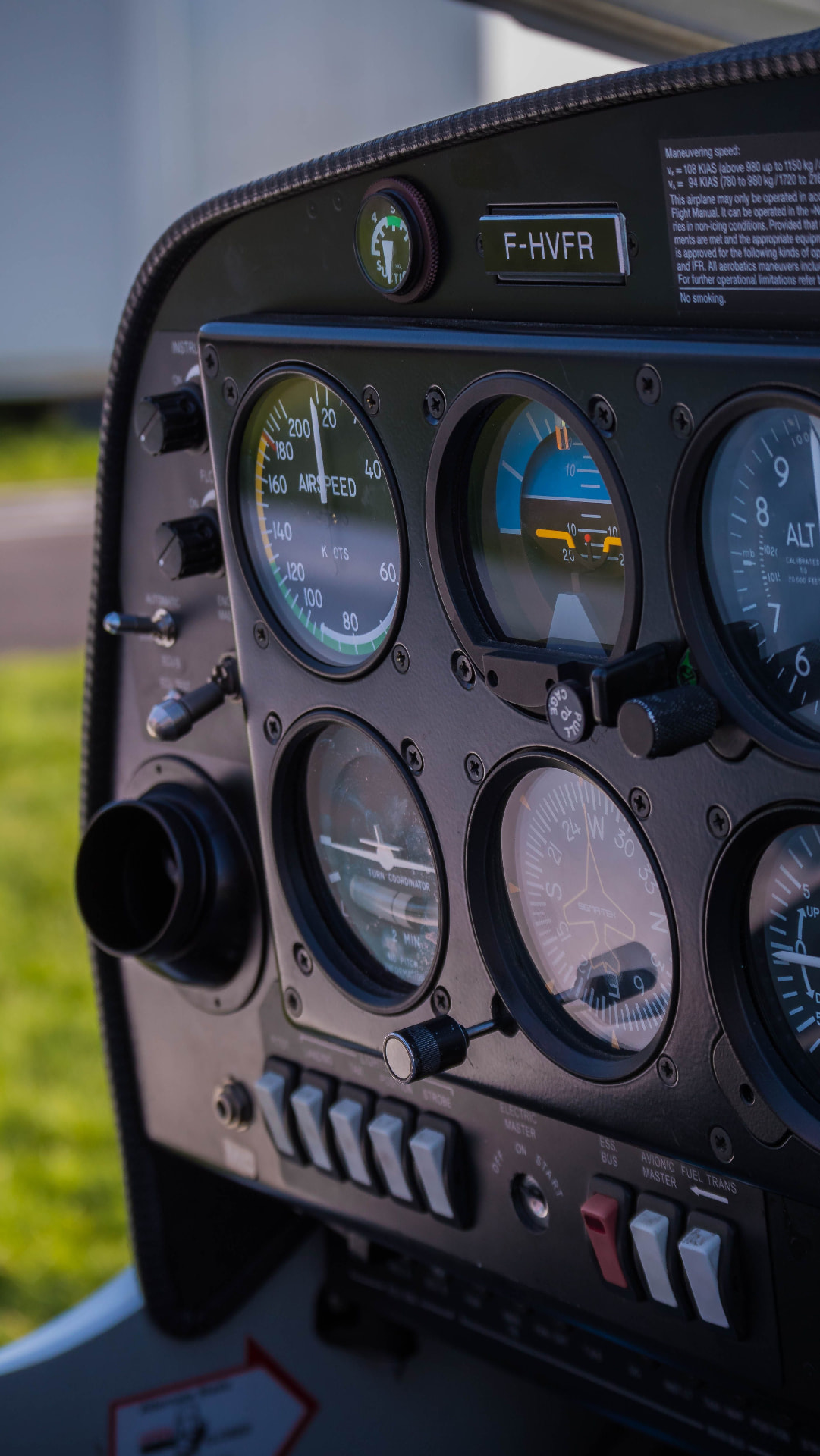
Pilot flying a light aircraft by reference to the instrument panel03 · CHECKRIDE PREP

Personalized Oral Prep

After passing the FAA knowledge test, upload your AKT report. CHECKRIDE PREP analyzes your deficiency codes to build personalized study prep focused on areas you need to strengthen for your checkride.

REPORT ANALYSIS · ORAL STUDY PREP

// WHO BUILT THIS

Developed by professionals.

CHECKRIDE PREP was written and reviewed by a team of aviation professionals, military personnel, and academics.

01

Pilots & Certified Ground Instructors

02

Aerospace & Software Engineers

03

A&P Mechanics & Military Aircrew

04

College Educators & Veterans

Visual flight rules restrict a pilot to specified visibility and cloud clearance minimums under 14 CFR 91.155. In much of the country those minimums are unavailable on a substantial number of days, and they are unavailable without warning on many more. An instrument rating changes what the aircraft can be used for.

01 · DISPATCH RELIABILITY

Departures that hold.

  • Marginal conditions cease to be limiting. A stratus layer or reduced surface visibility becomes a climb through cloud rather than a cancelled flight.
  • Terminal airspace becomes routine. IFR clearances provide predictable access to Class B and C airports and to arrival procedures unavailable to VFR traffic.
  • The aircraft becomes transportation. Business travel and scheduled commitments can be planned around an aircraft that departs as filed.

02 · RISK MANAGEMENT

Proficiency where it counts.

  • Continued VFR flight into Instrument Meteorological Conditions is among the most fatal accident categories in general aviation. The NTSB and FAA attribute it primarily to loss of control following inadvertent entry into cloud.
  • Instrument training addresses the cause directly. Attitude instrument flying, spatial disorientation recognition, and partial panel work are trained to a standard and retested.
  • You operate inside the system. On an IFR clearance the aircraft receives ATC separation from other IFR traffic and continuous radar service where available.

03 · REGULATORY PREREQUISITE

Required for the work.

  • 14 CFR 61.133 limits a commercial pilot without an instrument rating. The certificate carries a prohibition on carrying passengers for hire on cross-country flights beyond 50 nautical miles, and at night.
  • It precedes every advanced qualification. CFII, multi-engine instrument work, and the ATP certificate all build on this rating.
  • Insurers and owners recognize it. Instrument-rated pilots are commonly offered lower premiums and access to higher-performance aircraft.

// OPERATING PRIVILEGES COMPARED

The same aircraft under
two sets of rules.

Summarized from 14 CFR Part 91
and FAA-H-8083-15

FLIGHT IN CLOUD
VFR · Private PilotProhibited. Cloud clearance minimums apply at all times under 91.155.
IFR · Instrument RatedAuthorized in controlled airspace under an ATC clearance.
WEATHER MINIMUMS
VFR · Private PilotTypically 3 statute miles visibility with prescribed cloud clearance in Class E below 10,000 ft MSL.
IFR · Instrument RatedNo en route visibility requirement. Landing is governed by published approach minima — as low as 200 ft AGL and ½ SM on a Category I ILS.
SEPARATION
VFR · Private PilotPilot responsibility. See-and-avoid; traffic advisories workload permitting.
IFR · Instrument RatedATC provides separation from other IFR traffic for the duration of the clearance.
AIRSPACE ACCESS
VFR · Private PilotClass A prohibited. Class B and C entry is contingent on weather and controller workload.
IFR · Instrument RatedClass A is available at FL180 and above with a clearance and required equipment.
DESTINATION PLANNING
VFR · Private PilotRequires forecast visual conditions on arrival, or the flight does not depart.
IFR · Instrument RatedAn alternate airport is filed when required by 91.169. A marginal forecast is planned for, not avoided.
LOSS OF VISUAL REFERENCE
VFR · Private PilotAn emergency. Recovery is not a trained-to-proficiency task.
IFR · Instrument RatedA normal operating condition, flown to published tolerances.

Eligibility under 14 CFR 61.65

What the regulation requires.

You must hold at least a private pilot certificate with the aircraft category rating sought. No additional medical certificate is required. A pilot operating under BasicMed may exercise instrument privileges. Much of the cross-country requirement is typically satisfied before instrument training begins.

Readout · 61.65 & 61.65(d)

INSTRUMENT TIME

40 hrs

actual or simulated, including 15 hrs with an authorized instrument instructor

CROSS-COUNTRY PIC

50 hrs

at least 10 hrs in the aircraft category for the rating sought

KNOWLEDGE EXAM · IRA

60 Q · 70%

2 hrs 30 min, computer-based, at an FAA-designated testing center

IFR CROSS-COUNTRY

250 NM

one flight with an instructor and three approach types · 100 NM for helicopter

Also requiredThree hours of instrument instruction within the two calendar months preceding the practical test. Knowledge test results remain valid for 24 calendar months.

AIRPLANE
APPLICANTS

This course uses the Instrument Airplane bank. Pilots adding the opposite category can choose the corresponding differences-only Transition Oral Prep module.

Modern glass cockpit display used for instrument flight

The competency being certified

Learn to control the aircraft by reference to instruments alone.

Related track

Working toward a professional certificate?

The instrument rating is a practical prerequisite for commercial work. Commercial and ATP preparation are on the professional pilot track.

Professional pilot track · coming soon

Related track

Still completing the private certificate?

Complete the PAR first. Many applicants sit both knowledge tests within the same 24-month validity window and consolidate their ground study.

Aircraft wing crossing a cloud layer

Absolute flight utility starts here.

Charts, approach procedures, holding, IFR regulations, and weather theory. Study, drill, and mock the Instrument Rating knowledge exam in one place.